
 Shawn Collins


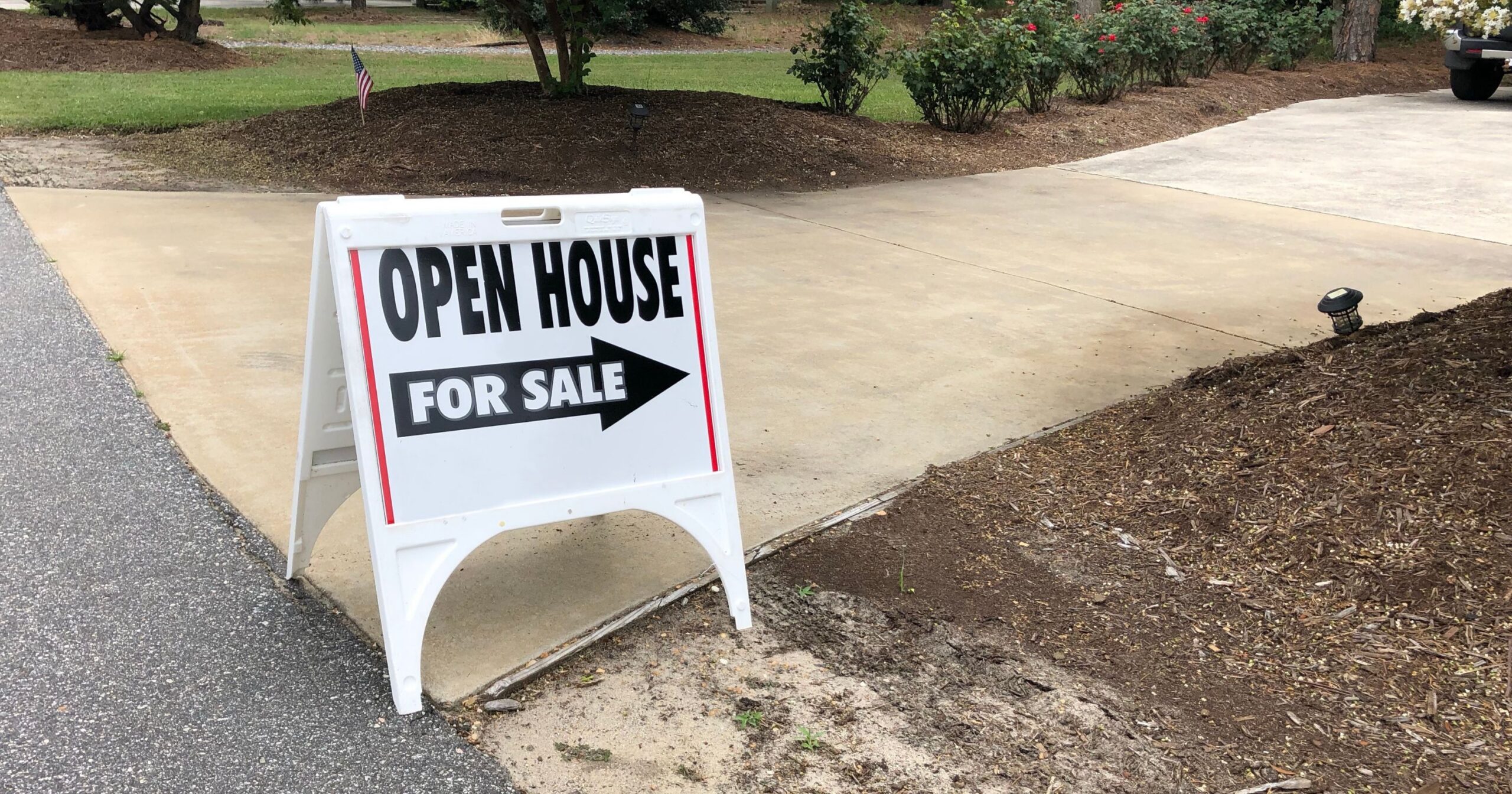


Online searches for phrases like “can’t sell house” have recently climbed to their highest level ever on Google Trends, a clear sign that many homeowners are feeling stuck and unsure about their next move. If your home has been sitting on the market longer than expected, you’re not alone — and you’re certainly not out of options. Homes are still selling every single day, and with the right adjustments, yours can too.
Before you assume the worst, it’s important to understand this: a search engine can’t diagnose why your home isn’t selling — but a qualified real estate agent can. Algorithms don’t know your neighborhood, your home’s condition, or your local buyer pool. Your agent does. And that expertise is exactly what you need when your listing isn’t gaining traction.
While general advice online can offer broad suggestions, only a professional who understands your market can pinpoint the real issue. In today’s housing landscape, most homes that struggle to sell fall into one of three categories: presentation, pricing, or access. Let’s break down each one and explore how small changes can create big results.
1. Presentation: Buyers Compare Everything — Instantly
A few years ago, when inventory was extremely limited, buyers were willing to overlook imperfections because they didn’t have much choice. That dynamic has shifted. Today’s buyers have more options, more time, and far higher expectations.
With just a few swipes, buyers can compare dozens of homes side by side. They’re evaluating:
- Condition
- Updates and finishes
- Natural light
- Layout and flow
- Curb appeal
- Staging and cleanliness
- Photography quality
If your home looks dated, cluttered, dark, or in need of obvious repairs, it will stand out — and not in a good way. Even small visual distractions can cause buyers to move on to the next listing.
The good news? Improving presentation doesn’t require a full renovation. Often, the most impactful changes are simple and affordable:
- Fresh, neutral paint
- Decluttering and depersonalizing
- Updated lighting
- Minor repairs
- Professional cleaning
- Landscaping touch‑ups
- High‑quality listing photos
Buyers form opinions within seconds. If your home doesn’t make a strong first impression online, they may never schedule a showing. Presentation is your first opportunity to compete — and in today’s market, it matters more than ever.
2. Pricing: Today’s Market Rewards Realistic, Data‑Driven Pricing
Pricing is often the most sensitive topic for sellers — and understandably so. Your home is one of your largest assets, and it’s natural to want to maximize your return. But the market doesn’t respond to what a home should be worth based on past sales or personal expectations. It responds to current demand, affordability, and buyer behavior.
As Selma Hepp, Chief Economist at Cotality, explains: “The days of pricing aggressively and expecting instant offers are largely over. Homes that are well‑priced and well‑presented will still sell, but pricing discipline matters more than it did during boom years.”
This insight reflects what agents across the country are seeing:
- Buyers are more budget‑conscious due to higher mortgage rates.
- Overpricing leads to fewer showings and fewer offers.
- Homes priced correctly from the start sell faster and for more money.
- Price reductions after weeks on the market often signal “something is wrong,” even when nothing is.
If your home is priced based on outdated expectations — or based on what a neighbor sold for during a different market cycle — buyers may still view it online, but they won’t feel motivated to act. They may wait for a price drop or skip the listing entirely.
This doesn’t mean you need to underprice your home. It means you need to price it strategically, based on real‑time data and buyer demand. Your agent can analyze:
- Recent comparable sales
- Current inventory levels
- Days on market trends
- Buyer activity in your price range
- Competing listings
- Local economic conditions
A well‑priced home attracts more showings, more interest, and ultimately stronger offers. Pricing isn’t about lowering expectations — it’s about aligning with the market so buyers see value instead of hesitation.
3. Access: If Buyers Can’t See Your Home, They Can’t Buy It
This may seem obvious, but limited showing availability is one of the most common — and most overlooked — reasons homes fail to sell. In a market where buyers have choices, convenience matters.
If your showing schedule is restrictive, such as:
- Evenings only
- No weekend showings
- Long advance notice required
- Limited open house availability
…you’re unintentionally shrinking your buyer pool.
Buyers often tour multiple homes in a single outing. If yours is the only one they can’t access easily, they may skip it altogether. And the fewer people who walk through your door, the fewer opportunities you have to receive an offer.
Increasing access doesn’t mean disrupting your life. It means working with your agent to create a showing plan that balances convenience with exposure. The easier it is for buyers to see your home, the faster it can sell.
Why Searching Online Won’t Solve the Problem
When your home isn’t selling, it’s natural to turn to the internet for answers. But search results can’t tell you what’s happening in your specific neighborhood, with your specific home, at this specific moment in the market.
Only a real estate professional can provide that level of clarity.
Instead of relying on generic advice, sit down with your agent and ask three key questions:
1. What are buyers in our market looking for right now?
Buyer preferences shift with economic conditions, inventory levels, and lifestyle trends. Your agent knows what features buyers value most today — and which ones they’re willing to compromise on.
2. What feedback are we receiving from showings?
Every showing provides insight. Are buyers mentioning the same concerns? Are they comparing your home to others they’ve seen? Your agent can help you interpret this feedback and determine what adjustments will have the biggest impact.
3. What do you believe is the main reason my home hasn’t sold yet?
A seasoned agent can identify patterns quickly. Whether it’s pricing, presentation, or access, they can help you understand the root cause and create a plan to address it.
This conversation will give you far more clarity than any online search ever could.
The Market Isn’t Rejecting Your Home — It’s Giving You Feedback
A slow‑moving listing doesn’t mean your home won’t sell. It simply means the market is telling you something needs to change. And that’s not a setback — it’s an opportunity.
When sellers make strategic adjustments based on real data and expert guidance, momentum often shifts quickly. Sometimes the solution is as simple as:
- Updating photos
- Improving lighting
- Adjusting the price slightly
- Increasing showing availability
- Refreshing staging
- Enhancing curb appeal
Small changes can create a big difference in how buyers perceive your home.
Bottom Line: Homes Are Still Selling — and Yours Can Too
If your listing feels stuck, don’t assume the worst and don’t rely on search engines to guide your next move. Talk to your agent. They understand your market, your competition, and what buyers expect today.
The sellers who succeed in this market aren’t the ones who wait — they’re the ones who adapt.
With the right strategy, your home can regain momentum, attract the right buyers, and ultimately sell for a price that reflects its true value.
Follow Hashtags: #HomeHunting #LosAngelesRealtor #QualityProperties #ShawnCollinsRealtor #HorizonRealEstate #RealEstate


